

The UK Working Group on Non-communicable Diseases
draws attention to and encourages action to address the
growing burden of NCDs as an international development priority
The UK Working Group on NCDs
The UK Working Group on Non-communicable Diseases (NCDs) is a network of over 20 UK-based national and international NGOs and research organisations, which work together to draw attention to the urgent need to address the burden of NCDs as an international development priority.
The UK Working Group on NCDs was founded in early 2018 to advocate for strong UK government representation at the United Nations High-level Meeting (UNHLM) on NCDs, held in September that year. In 2019, attention pivoted to the lead-up to the UNHLM on Universal Health Coverage, advocating that NCD prevention and control be included as a core component. In 2020/2, it focused on the clear links between COVID-19 and chronic conditions. In 2025, the UKWG has turned its attention to the next UNHLM on HCDs, to be held on September 2025, including the publication of a briefing document and meeting with the UK government in the months leading to the HLM, advocating for NCDs as an international development priority.
The UK Working Group on NCDs has been proud to be a UK member of the NCD Alliance since 2019, and in 2020 and 2021 received $15,000 grants from the NCD Alliance’s Civil Society Solidarity Fund on NCDs and COVID-19. In 2020/21 this culminated in a successful webinar on ‘Resourcing for health‘, and 2021/2 we were able substantially to increase our engagement with people with lived experience of NCDs through a project focusing on overseas development assistance and NCDs in an era of COVID-19.
Covid-19 and NCDs

People living with NCDs have a significantly higher risk of severe COVID-19 outcomes, and the pandemic also has an impact on risk factors for future NCDs. The Working Group focused on the COVID-19 response in 2020/21.
UHC and NCDs
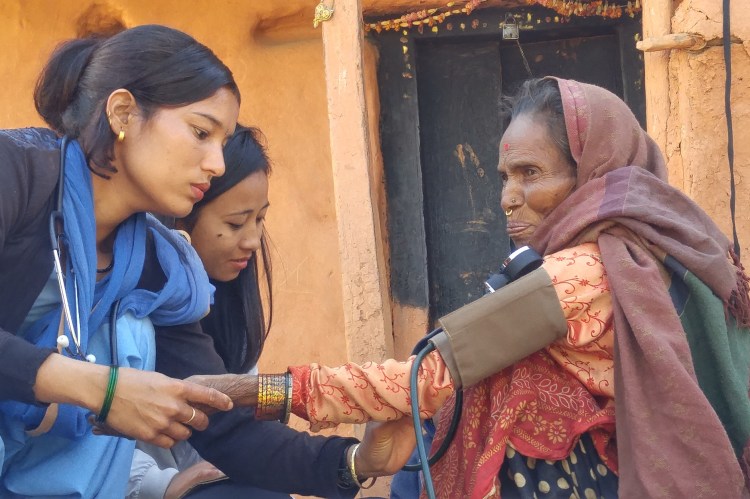
In 2019, the UK Working Group on NCDs focused on the first United Nations High-Level Meeting on Universal Health Coverage (UHC), advocating that NCD prevention and control be included as a core component.
Development and NCDs
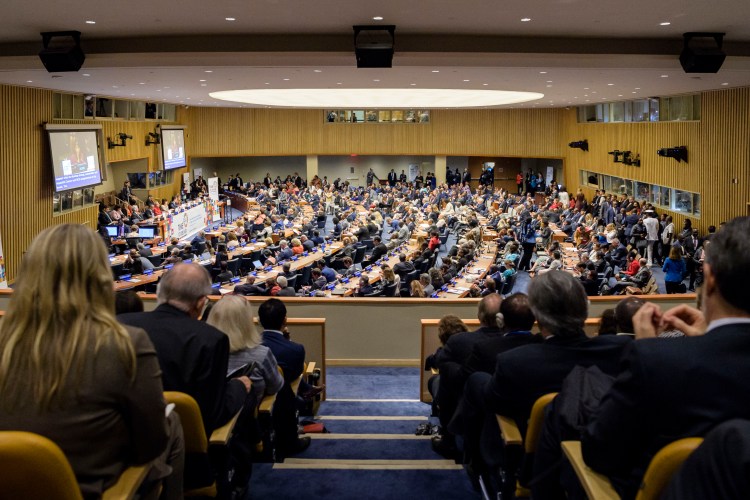
The UK Working Group was founded in 2018, ahead of the third United Nations High-Level Meeting on NCDs, a rallying point for coordination and advocacy on the importance of NCDs as an international development priority.
What are NCDs?
Non-communicable diseases (NCDs) are not transmissible from person to person. They tend to be of long duration and are the result of a combination of genetic, physiological, environmental and behavioural factors. NCDs include cardiovascular disease (heart disease and stroke), diabetes, chronic lung disease and cancer, which together account for 70% of deaths worldwide, with mental-health and neurological conditions such as dementia adding significantly to this burden of ill health. Together, these five NCDs are estimated to cost US$47 trillion in lost gross domestic product globally between 2010 and 2030.
Over three-quarters of the NCD burden falls on people living in low- and middle-income countries, and 86% of deaths among those aged under 70 are from NCDs are in these regions. However, there is a severe mismatch between the scale of the NCD challenge and the allocation of official development assistance: only 2% of development assistance for health is spent on NCDs.
Significant progress could be made by health systems strengthening and improvement of treatment and management, and through prevention – particularly addressing five risk factors identified by the World Health Organization: poor nutrition, physical inactivity, tobacco use, harmful consumption of alcohol, and air pollution.
See, for example, World Health Organization, Noncommunicable Diseases factsheet here.
About

The UK Working Group on NCDs is a UK-based network of civil society organisations advocating for NCDs to be at the heart of international development.
Follow us on X

Get in Touch
Reach out so we can work together to ensure NCDs are prioritised as they deserve to be.
Your message has been sent

 UK Working Group on NCDs